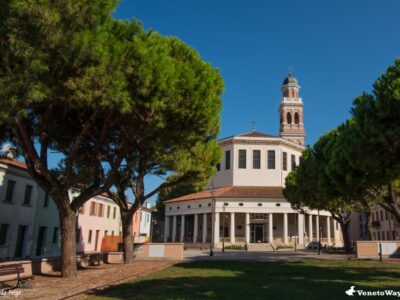
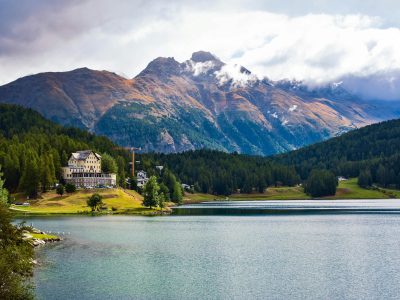
Pistoia is a provincial capital and an ancient episcopal see.
It is located at the northwestern edge of the Florentine plain, specifically at the foot of the Apennine Mountains.
It is the northernmost city in Tuscany, set at the base of the Appennine range, and its territory is bordered by the Brana and Ombrone streams.
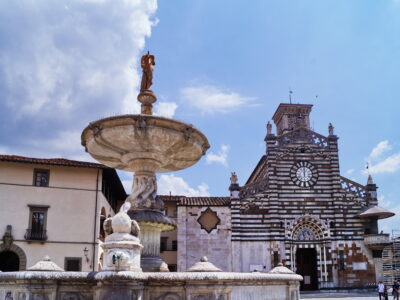
Prato is a Tuscan city rich in history and traditions. Its historic center features important landmarks such as the Prato Cathedral and the Castello dell'Imperatore, as well as modern cultural spaces like the Centro per l'Arte Contemporanea Luigi Pecci. The surrounding area offers hills, small villages, and natural parks, making it an ideal destination for a short trip combining culture, nature, and local food.

Known for its colorful mosaics, which decorate many buildings in the historic center, Ravenna is a city in Emilia-Romagna rich in history and monuments of great cultural interest.
Its “cultural mosaic” also comes to life at the table: from passatelli to cappelletti, all the way to the ultimate street food — the legendary piadina.

Reggio Emilia is one of the most prosperous and livable art cities in Italy. The city boasts numerous parks within its municipal territory. And you simply can't miss the chance to taste stuffed tortellini with ragù and lasagna.
Together with Parma, Reggio Emilia is also famous as the birthplace of Parmigiano Reggiano .
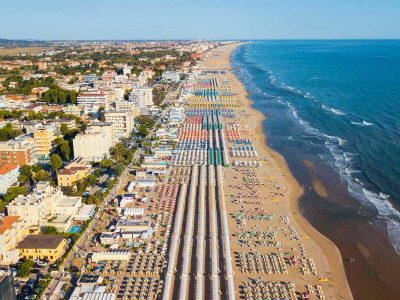

Favored by its geographical location and the presence of numerous accommodation facilities, it enjoys a reputation as a congress destination and a major exhibition hub in Europe. It hosts Rimini Fiera with highly specialized events, the Meeting for Friendship Among Peoples, and the International Piano Festival.

The city as an imperfect mosaic of urban landscapes set in a workmanlike manner: ancient, medieval, Renaissance, baroque, Umbertine, fascist and contemporary Rome, a history that is stratified without overlapping. The places of memory, power and faith emerge like rough stones and diamonds set in the same jewel, the Tiber valley.