• obicà
  • Obica

OBICÀ CUSANI

Address: Via Cusani, 1 - 20121 - Milano (MI)

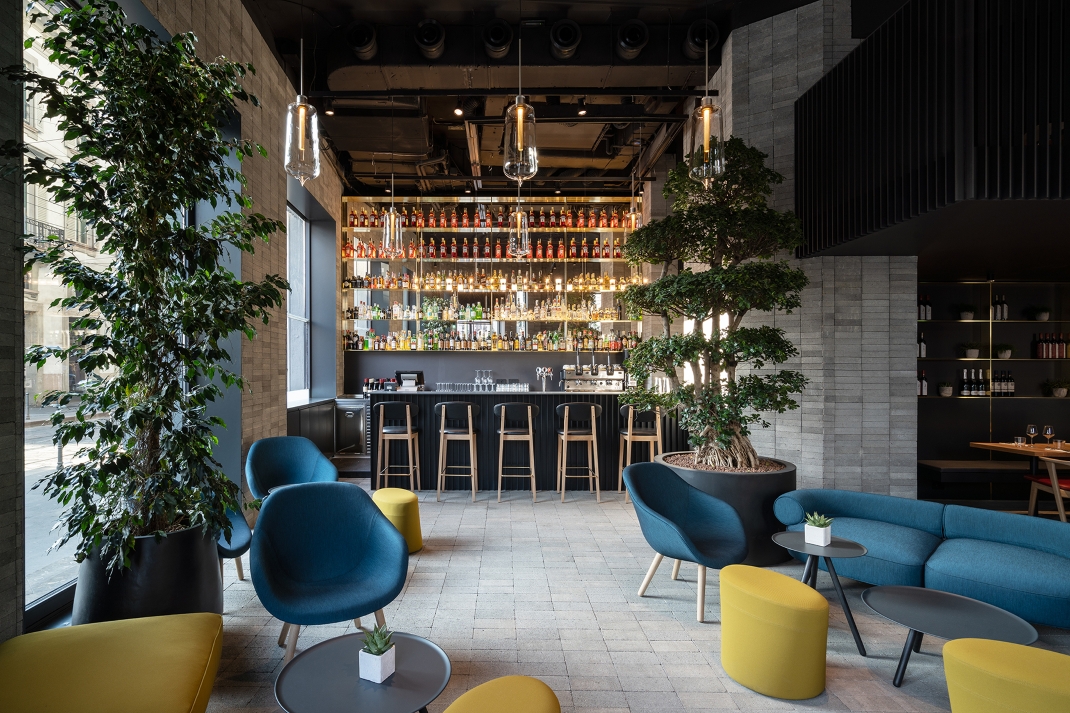
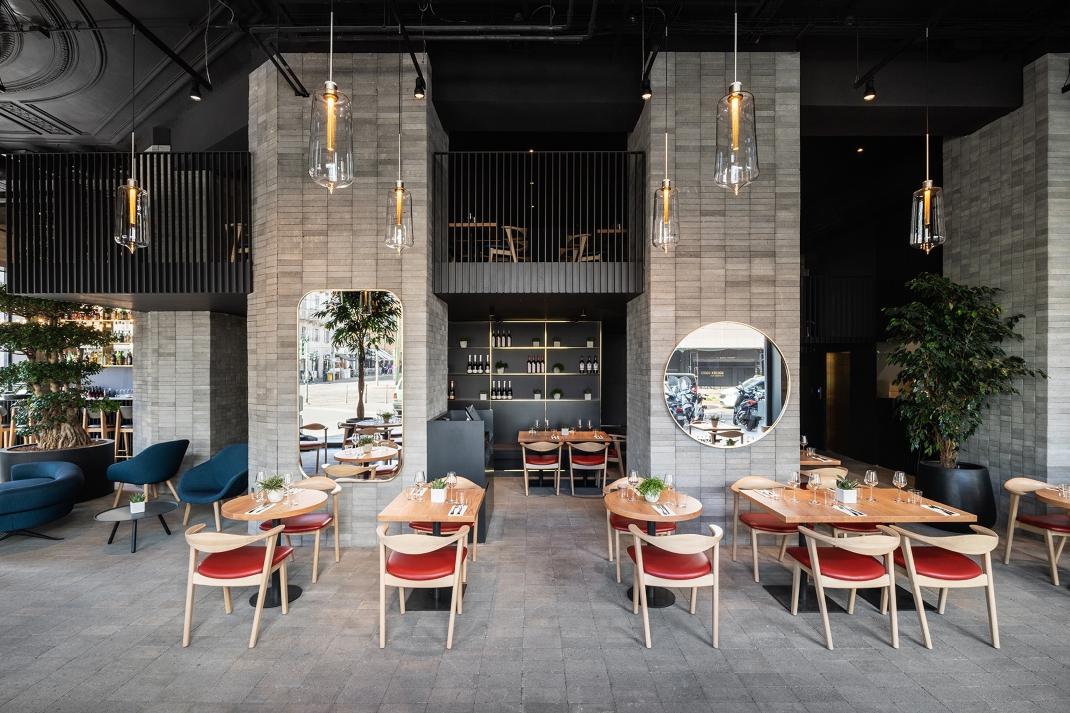
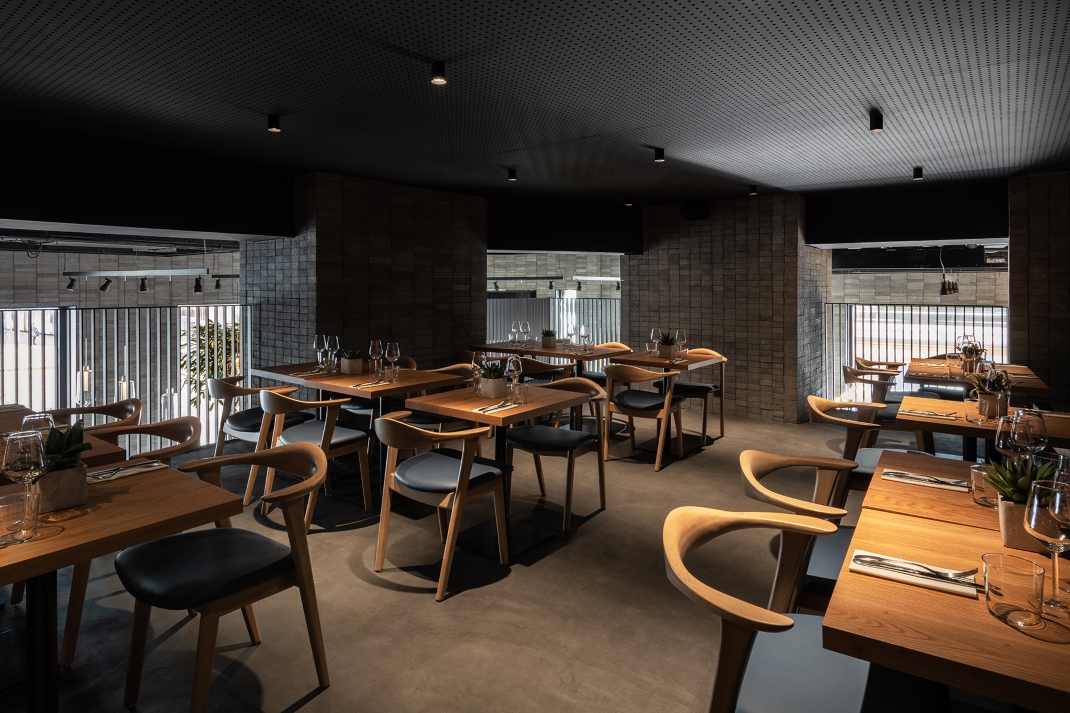
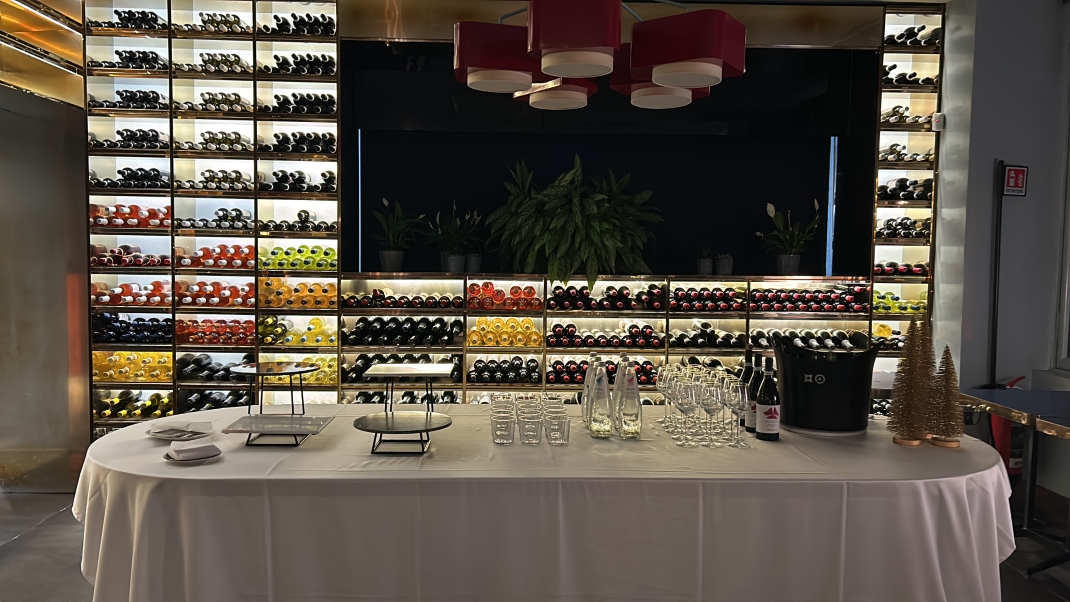
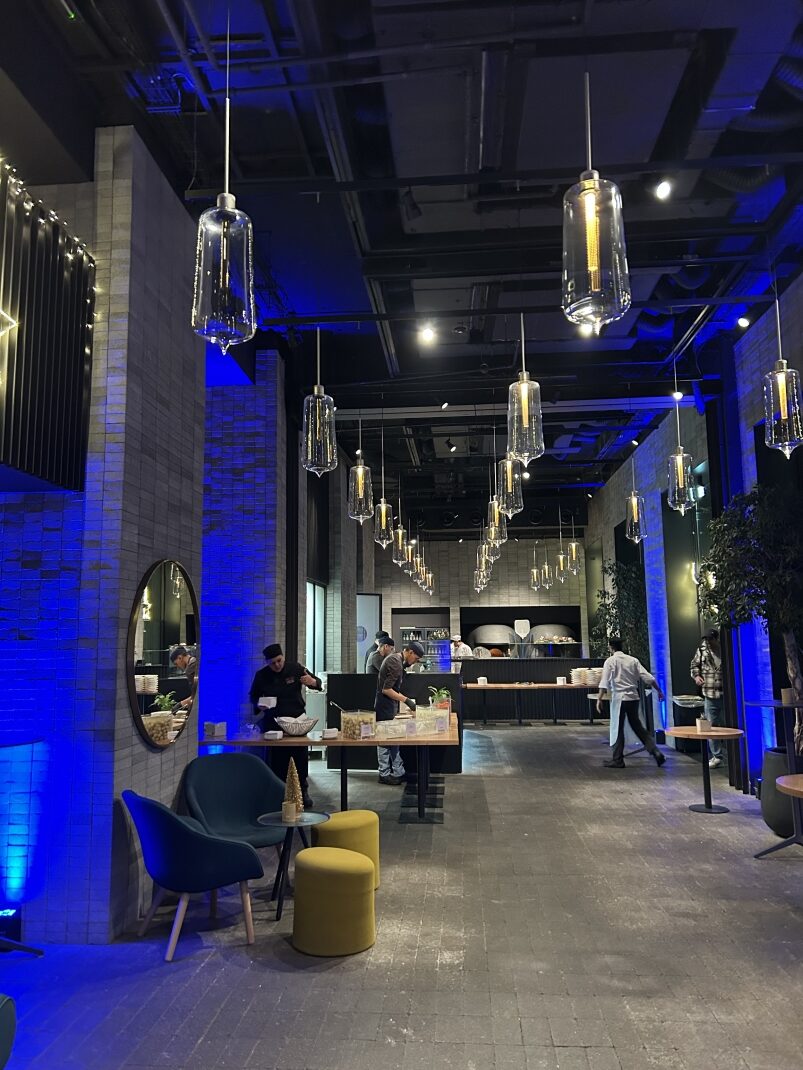
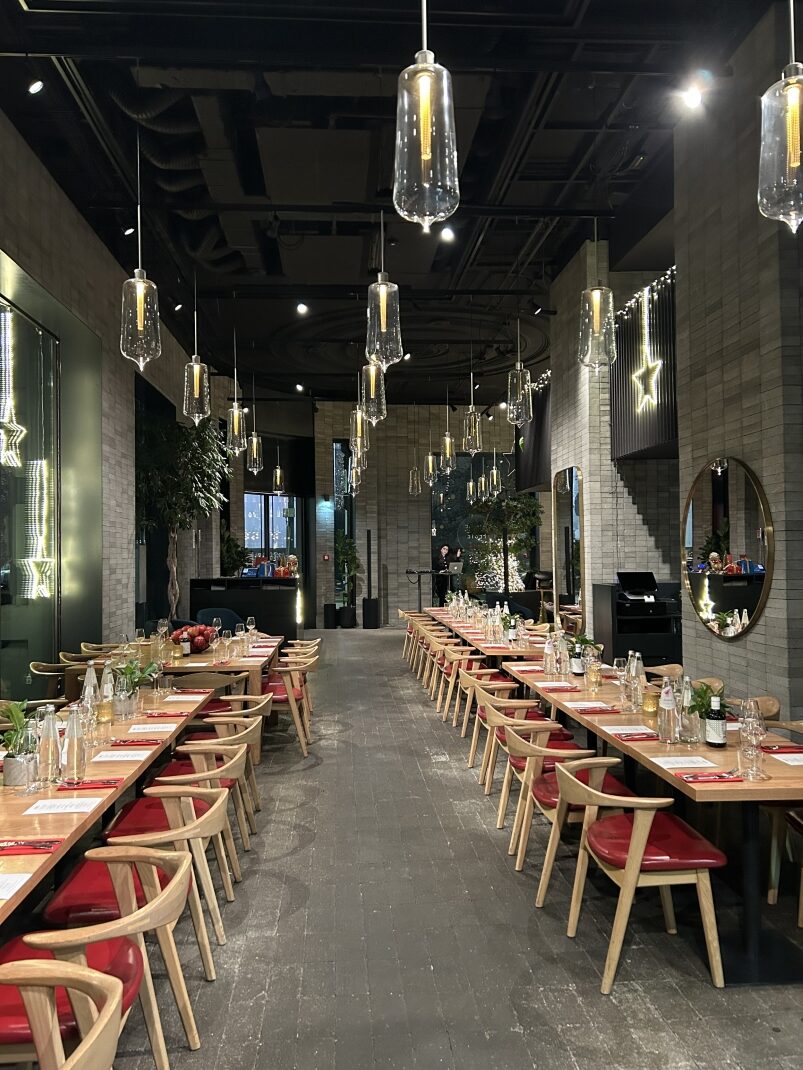
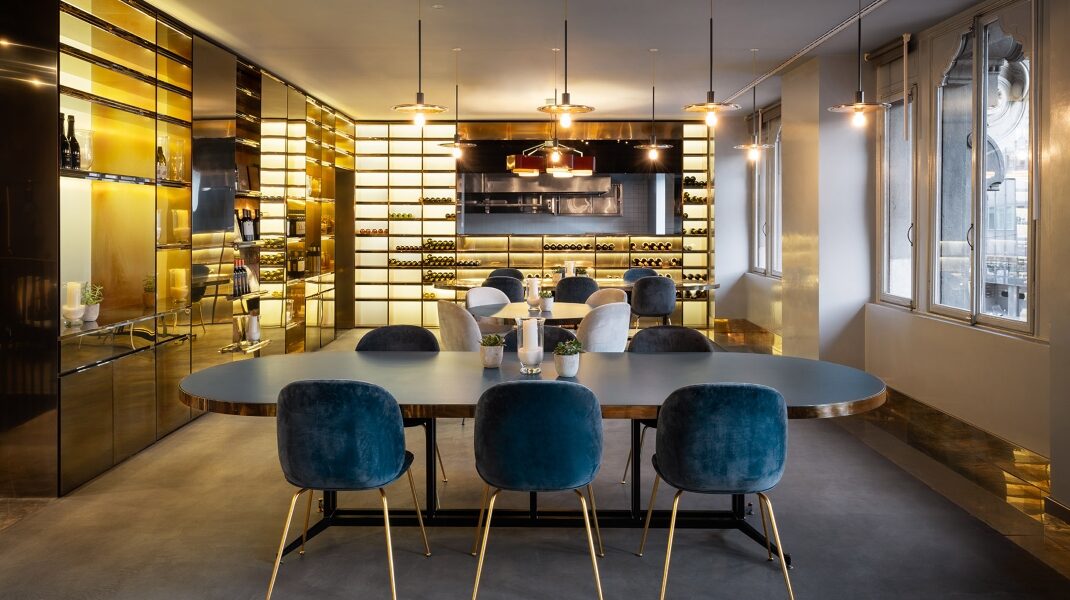
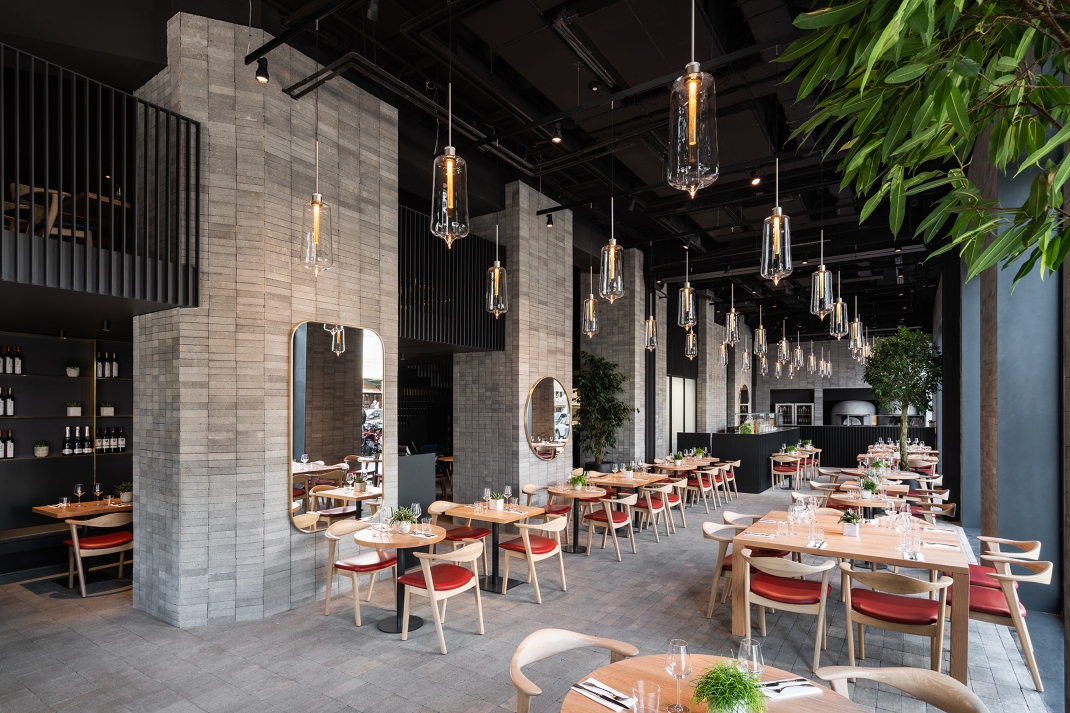
The restaurant comprises a main dining room with a terrace and mezzanine, and a meeting room. The main dining room on the ground floor features high ceilings and large windows overlooking the intersection of Via Cusani and Via Broletto in Milan. Upon entry, guests are welcomed by a lounge bar area with sofas and armchairs. The rest of the dining room, with an open-plan mozzarella bar and pizzeria, is furnished with tables and chairs that can be easily removed for formal events.
The terrace, directly on Via Cusani, is ideal for setting up an outdoor area for event guests.
The mezzanine is an intimate and private space that overlooks the main dining room, recalling the tradition of balconies overlooking an Italian piazza.
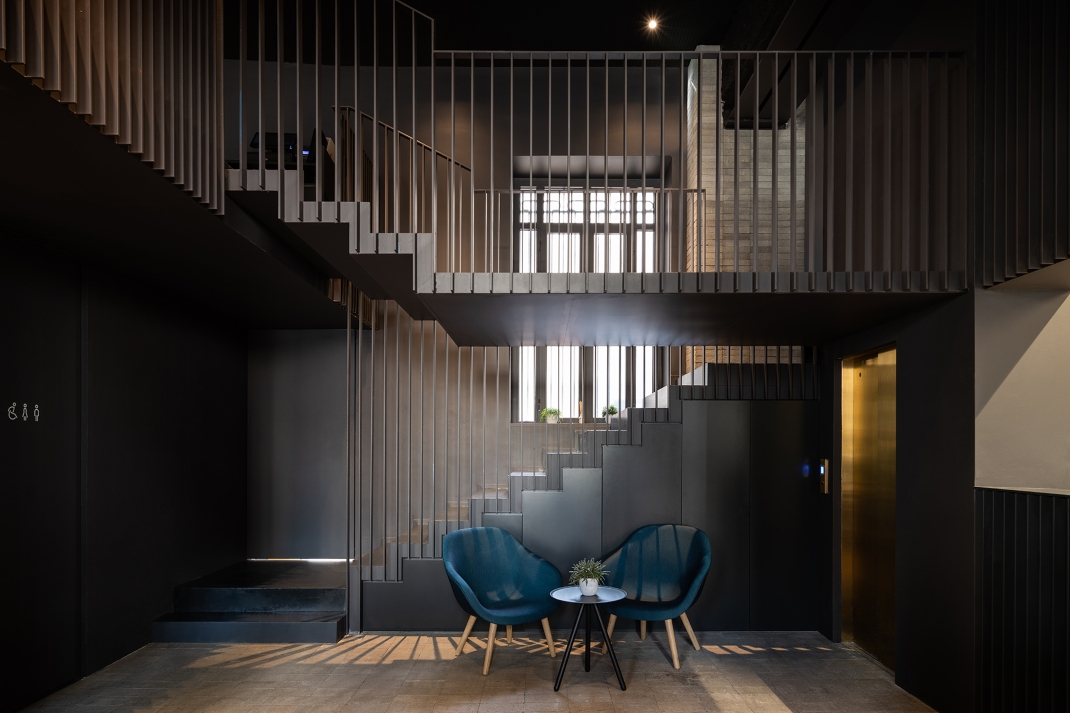
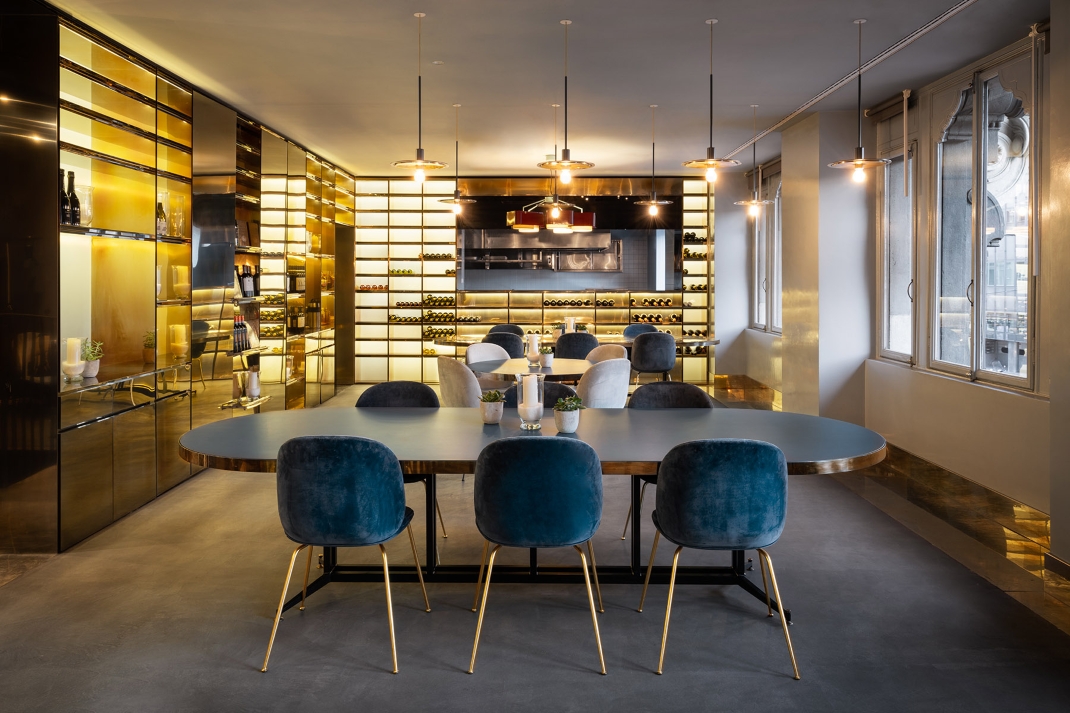
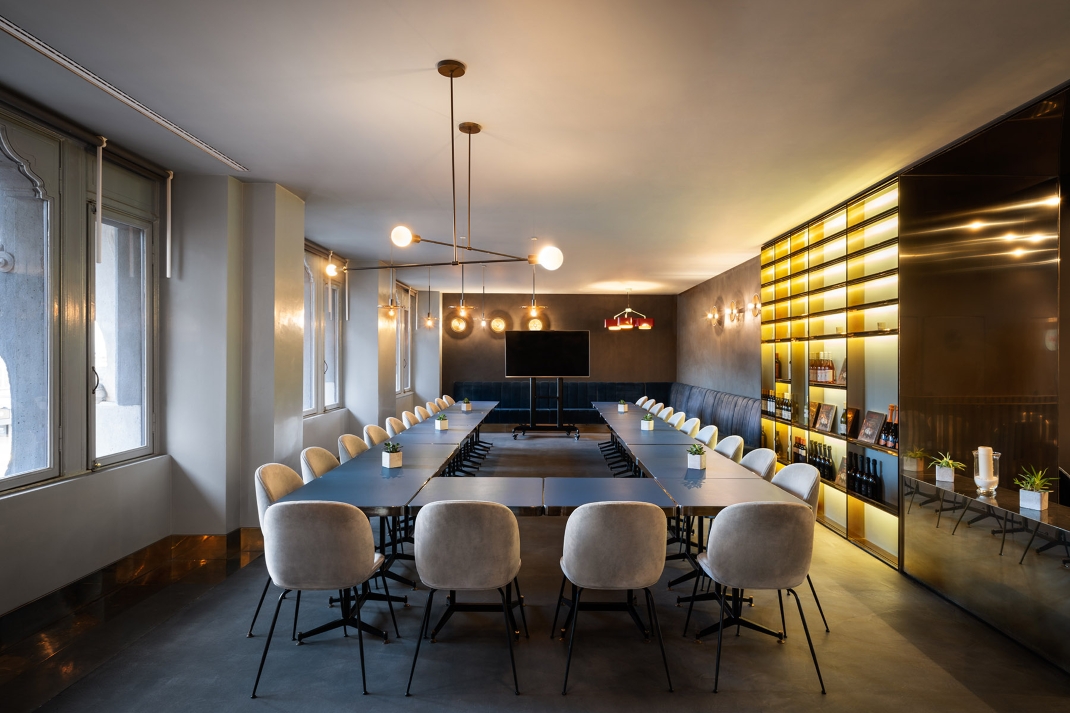
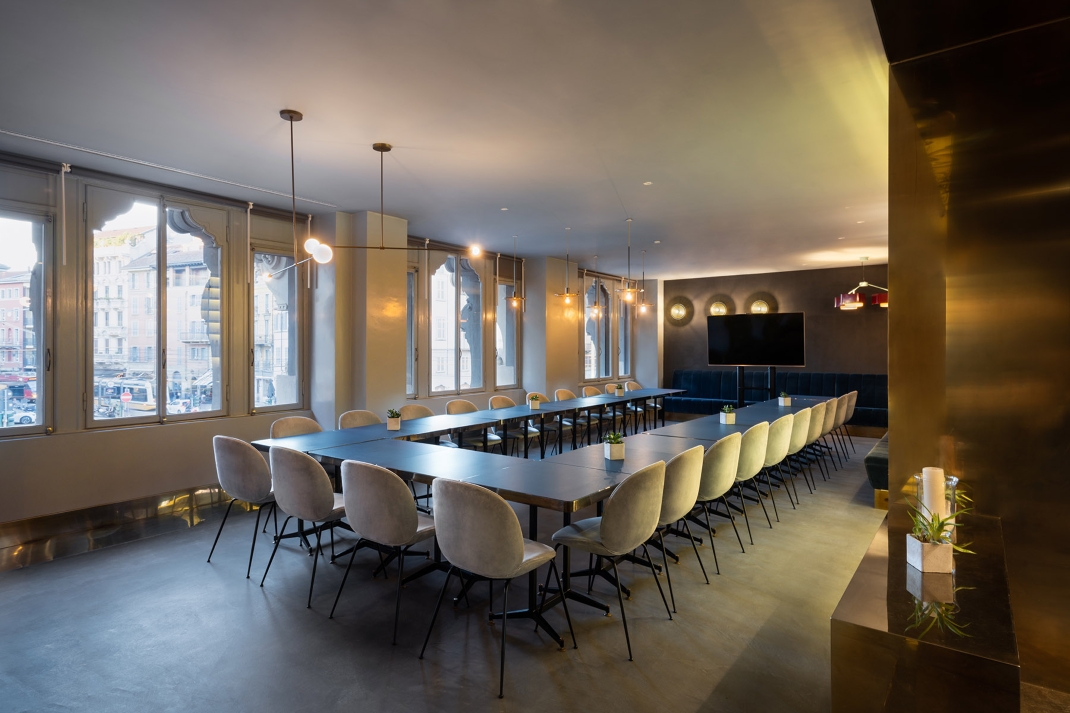
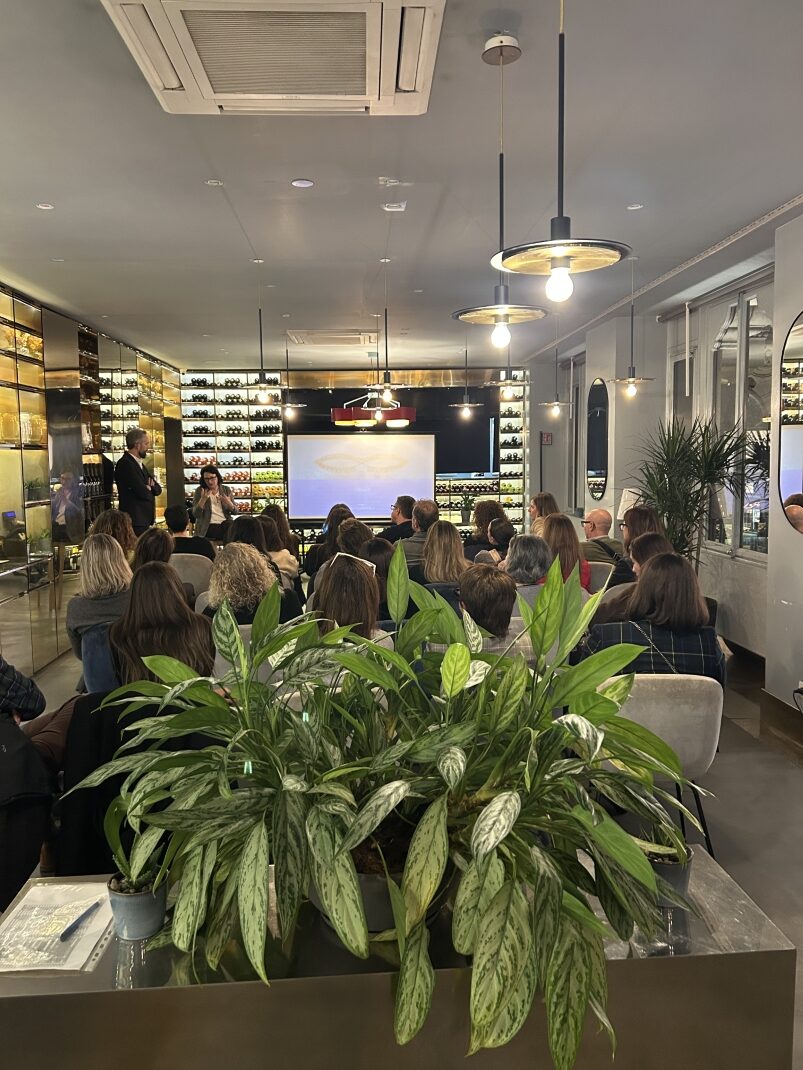
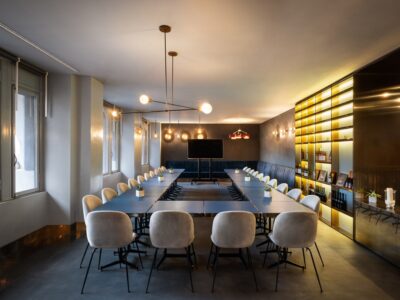
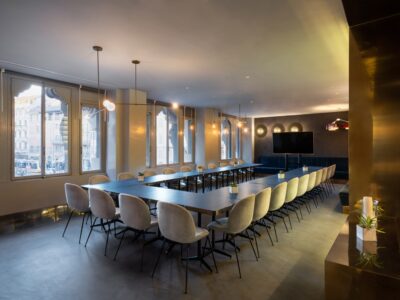
The meeting room is located on the first floor, accessible by both stairs and elevator, and is equipped with a dedicated kitchen. The tables and chairs in the room can be arranged according to the client's needs, from meetings to seated dinners.
The restaurant is available to host events every day of the year, from breakfast to after dinner.

Facilities

Check-in time
10 AM
Check-out time
12 AM
Opening period
Everyday
Air conditioning
All areas
Restaurants
1
Bar
check_circle
Spa and wellness center
cancel
WiFi
check_circle
Events outside
check_circle

Restaurants

Obicà
130 places
Italian, Mediterranean, Traditional, Pizza Cuisine

Other information

Other information
Access and rooms for disabled people:check_circle
Luggage storage:cancel
Pets allowed:check_circle
Safety deposit boxes:cancel
Laundry and dry cleaning service:cancel
NCC service:cancel
Taxi rank nearby:check_circle
Limousine service:cancel
Rental car service:cancel
Public transport nearby:cancel
Sport equipment
Fitness room:cancel
Golf course:cancel
Tennis court:cancel
Paddle court:cancel
Bicycles:cancel
Trekking or running route:cancel
Technical equipment
Dedicated event reception:check_circle
Foyer:cancel
Direction room:cancel
Wardrobe:check_circle
Secretarial service:cancel
Paid hostess service:check_circle
Reception:check_circle
PC:cancel
Dedicated bar:cancel
Coffee break area:check_circle
Copy machine:check_circle
Free WiFi:check_circle
Amplification:check_circle
Flipchart:cancel
Mobile stage:cancel
Catwalk for fashion shows:cancel
LCD screens:cancel
Fixed screen:cancel
Mobile screen:cancel
Tensile structures:cancel
Closed circuit TV:cancel
Video projector:check_circle
Videoconferencing:cancel
Microphones:check_circle
Support technician:cancel
Other spaces for events
Garden:cancel
Terrace:cancel
Health centre:cancel
Poolside:cancel
X

Sala 1° piano

Stage: No
Natural light:Yes
83 People
Capacity for setting up
Stalls
40
School desks
28
Gala dinner
70
Horseshoe
26
Cocktail
80

How to reach us

Discover Milano

Milano, the world capital of fashion and design, is a metropolis in Northern Italy and the capital of Lombardy. Home to the Italian Stock Exchange, it is a financial hub also famous for its exclusive restaurants and shops. The Gothic-style Duomo and the convent of Santa Maria delle Grazie, which houses the fresco "L'ultima Cena" by Leonardo da Vinci, bear witness to the artistic and cultural heritage of the city.

Founded around 590 BC by a Celtic tribe belonging to the Insubres group and belonging to the Golasecca culture, it was conquered by the ancient Romans in 222 BC. Over the centuries, "Mediolanum" increased its importance until it became the capital of the Western Roman Empire; in this period the Edict of Milan was promulgated, which granted freedom of worship to all citizens, therefore also to Christians.

At the forefront of the fight against the Holy Roman Empire in the age of the communes, it first became a lordship and then was elevated to the dignity of a duke at the end of the 14th century, remaining at the center of the political and cultural life of Renaissance Italy. At the beginning of the 16th century it lost its independence to the Spanish Empire and then passed, almost two centuries later, under the Austrian crown: thanks to the Habsburg policies, Milan became one of the main centers of the Italian Enlightenment. Capital of the Napoleonic Kingdom of Italy, after the Restoration it was among the most active centers of the Risorgimento until its entry into the Savoy Kingdom of Italy.

The main economic and financial center of the Italian Republic, Milan led its industrial development, forming the so-called Industrial Triangle with Turin and Genoa, especially during the years of the economic boom, when industrial and urban growth also involved neighboring cities, creating the vast Milanese metropolitan area. In the cultural field, Milan is the main Italian publishing center and is at the top of the world music circuit thanks to the opera season of the Teatro alla Scala and its long operatic tradition. It is also among the main European trade fair and industrial design centers and is considered one of the world capitals of fashion.

Milano is one of the destinations of international tourism; in fact, it is among the forty most visited cities in the world (second in Italy after Rome and fifth in the European Union). Milan is considered a global city, the only Italian city in the list of Alpha World Cities.


Read more